How a CVT Transmission Works (And Why Skipping Maintenance Costs You)
Imagine cruising on your scooter, suddenly feeling sluggish acceleration or hearing an unsettling squeal. You might blame the engine, but the real culprit often hides in the CVT—the unsung hero of seamless shifting. Many riders ignore it until a costly breakdown strikes. This guide demystifies CVT operation and shows why a little routine care saves big money.
The Unseen Hero: Why Your Scooter’s CVT Matters
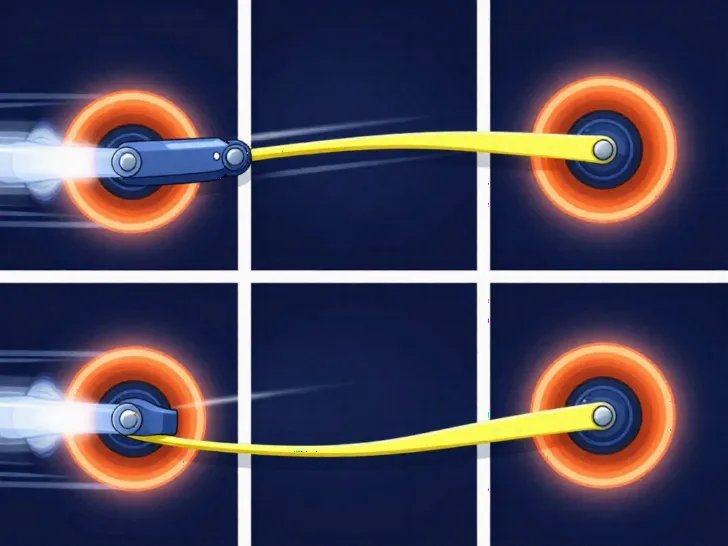
If your scooter hesitates from a stoplight, shudders mid-ride, or feels like it’s lost its zip, the culprit is almost always a neglected CVT. This seemingly invisible belt-and-pulley system is the heart of your twist-and-go machine — it replaces a manual clutch and gearbox, seamlessly adjusting ratios so you can focus on the road. In Malaysia’s relentless stop-and-go traffic, heat and friction eat away at the belt and rollers faster than you’d think. Skip regular checks, and that smooth acceleration turns into jerky, unpredictable movement. Worse, a snapped belt can damage the variator and clutch, turning a cheap fix into a costly repair.
Inside the CVT: Parts That Work Together
Let's pop open the CVT cover and have a look at the key players. At the engine side sits the variator – a front pulley with two angled faces, one fixed and the other sliding on a central shaft. As engine revs climb, roller weights inside the variator push the sliding face inward, forcing the belt to ride higher. This is the automatic gear ratio change happening in real time.
That belt is the wearable heart of the system, connecting the variator to the rear pulley. It's a V-shaped rubber-and-kevlar band that desperately wants to stay in good condition. When riders skip maintenance, this belt disintegrates and strands get tangled in everything. On Malaysian roads, where stop-and-go traffic is the daily grind, belt life can drop as low as 12,000 km if you’re aggressive.
The magic of smooth take-offs comes from the clutch and contra spring assembly at the rear wheel. The rear pulley also has movable sheaves, but it’s the contra spring that pushes them together to match belt tension. When idling, the clutch shoes stay disengaged; once revs rise, centrifugal force flings them outward to grab the clutch bell. A worn contra spring causes lazy upshifts and that dreaded rubbery feel.
Roller weights are the final piece—the silent tuners inside the variator. They determine how early or late the CVT "upshifts." Lighter weights keep the engine in higher revs longer, which some riders love for quick city sprints, while heavier ones prioritize fuel efficiency. If these rollers develop flat spots, your scooter will shudder during acceleration and refuse to shift smoothly. All these parts need periodic inspection, and ignoring them invites a pile of expensive grief.
From Zero to Top Speed: How the CVT Adjusts Ratios Automatically
Twist the throttle and the engine spins up, but nothing moves until that magic moment when the clutch locks. That delay is your CVT calculating the perfect gear ratio—every single time. The system is purely mechanical, relying on centrifugal force and spring tension to shift seamlessly from a low gear for takeoff to a high gear for cruising, without any electronic babysitter.
Inside the variator, a set of rollers sits in angled ramps. At idle, they huddle near the center. Crack the throttle open and the engine revs climb. The roller weights, heavy steel or sometimes tungsten, get flung outward against the ramps. This radial movement isn't just spinning; it creates an axial push that squeezes the movable half of the front pulley inward, forcing the two pulley faces closer together. Imagine pressing a wedge between your fingers: as the wedge slides in, your fingers spread apart, pushing whatever is between them outward. The rollers are the wedge, and the belt is the thing getting squeezed upward along the pulley faces. The belt now rides at a larger effective diameter at the front, which is mechanically equivalent to shifting to a taller gear.
Simultaneously, the rear pulley reacts. Its halves are held together by a large contra spring, plus a torque-sensitive cam that tightens under load. When the belt moves outward at the front, it must move inward at the rear, riding a smaller diameter. The contra spring compresses to allow this, but it fights back with increasing resistance. The balance between roller centrifugal force and spring tension is what determines the exact gear ratio at any given RPM and load. Light rollers require more RPM to push out, giving a sportier feel; heavy rollers shift earlier for fuel economy.
The belt itself, a wide V-belt with cogs on the inner edge, transmits power without slipping once clamped by the pulley faces. Its rubber compound and angle are critical—too narrow or greasy, and it'll slip, glazing the surfaces and causing a judder.
Now, at the rear pulley, the final boss: the centrifugal clutch. It's bolted directly to the driven pulley shaft, with clutch shoes that stay retracted below a specific RPM. As revs rise, the shoes pivot outward, overcoming retracting springs. At the engagement point—usually around 2500 to 3000 RPM on a typical 150cc scooter—the shoes just start to graze the clutch bell. You feel it as a gentle hum and the scooter creeping forward. More throttle, more centrifugal force, and the shoes lock firmly against the bell, transferring engine torque to the final drive gears and rear wheel. Under hard load, the torque cam on the rear pulley tightens the halves even more, shifting the ratio down momentarily to give you that surge of passing power.
The entire shift map unfolds in a few seconds. From a dead stop, the variator starts in low gear with the belt at the lowest front diameter. As speed builds, the variator continuously upshifts until the belt reaches the outermost diameter at the front, corresponding to the smallest diameter at the rear—top gear. There’s no step, no jerk, just a smooth rise in speed with the engine holding a nearly constant RPM once the CVT is fully shifted. That efficiency, however, assumes the rollers aren't flat-spotted, the belt isn't worn thin, and the clutch isn't glazed. Skipping maintenance lets all that precision degrade into heat, slip, and eventually a transmission that feels gutless.

Warning Signs Your CVT Needs Attention
When your scooter hesitates off the line or shudders during take-off, the CVT belt is often the culprit—glazed or worn, it can’t grip the pulleys properly. A loss of top speed even though the engine is screaming tells you the belt isn’t riding up to its full diameter, a classic sign of belt stretch or worn roller weights. If you hear squealing or a flapping sound from the transmission case, that’s usually the belt slipping against the variator faces; ignore it and the belt may snap, leaving you stranded. A burnt rubber odor after a brisk ride is the smell of an overheating belt, often from excessive slipping or a dragging clutch. These symptoms never fix themselves, and continued riding only scores the pulley surfaces, leading to an expensive repair bill.
The High Cost of Neglect (Or Why Skipping Service Backfires)
A neglected CVT doesn’t just wear out—it destroys itself in a cascade that turns a cheap service into a wallet-draining overhaul. The first domino is the drive belt. Over time, heat and tension cause microscopic cracks in the rubber. Once those cracks widen, the belt’s surface glazes—becoming hard and slippery. Grip fades, acceleration feels sluggish, and one day, without warning, the belt snaps. That sudden loss of drive in heavy traffic leaves you coasting with no power, which is a serious safety hazard.
When a belt breaks at speed, it doesn’t just sit there. The loose ends whip around inside the CVT case, often gouging the aluminium faces of the variator and clutch bell. Deep scores mean those precision surfaces can no longer grip a new belt properly. Even if you fit a fresh belt, the damaged pulleys will chew it up within days. On many popular Malaysian scooters like the Yamaha NVX or Honda Vario, replacing just one scored variator half can cost more than a full routine service.
Rollers are another casualty of skipped maintenance. These small cylindrical weights slide along ramps inside the variator to control shifting. As their outer coating wears, they develop flat spots. Instead of rolling smoothly, they bind and jerk. The result is erratic acceleration, harsh vibrations through the bars, and a top speed that dances around instead of holding steady. Ramp plates wear unevenly too, and before long, the variator itself needs replacement—not just the rollers.
The contra spring, which pushes the rear pulley halves together and maintains belt tension, also weakens with heat and age. A tired spring allows the belt to slip, especially when you pin the throttle from a stop. Slip generates more heat, which bakes the belt further, and the rear pulley faces start to blue from overheating. Once the spring sags, belt bite is permanently compromised; you’ll feel notable lag before the scooter moves, and fuel efficiency plummets.
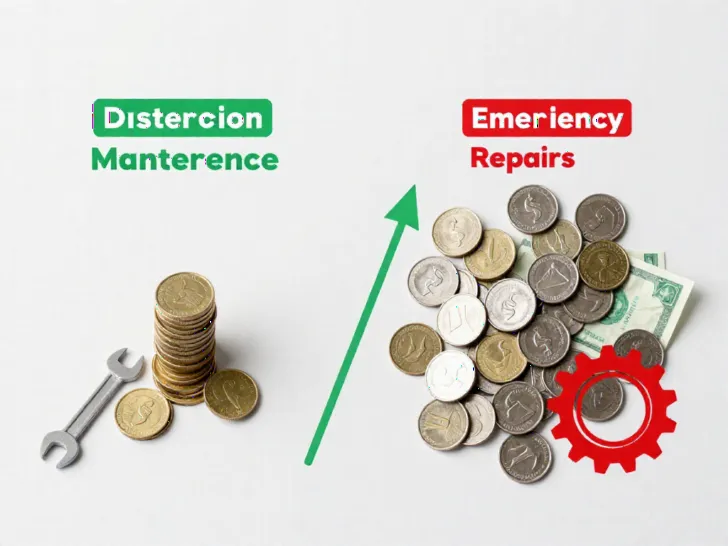
Financially, the difference is stark. A routine CVT service at a reputable workshop—replacing the belt, rollers, and cleaning the components—might run you somewhere in the ballpark of RM80 to RM150, depending on the scooter model and parts quality. Skip it for tens of thousands of kilometres, and you’re suddenly staring at a quote for a full overhaul: new variator assembly, clutch bell, belt, rollers, sliders, and possibly even a clutch carrier. That bill easily climbs to several hundred ringgit, often exceeding RM500. The avoidable sting is that most of that work comes from secondary damage, not just normal wear.
Beyond the ringgit, there’s the safety angle. A belt that snaps mid-corner or while merging on a highway like the LDP during rush hour leaves you with zero drive—not just a nuisance but a real risk of being hit from behind. Regular inspection and timely replacement of wear parts turn the CVT from a ticking time bomb into the seamless, automatic system it was designed to be. Don’t let a RM30 part destroy a RM300 pulley. Stick to the factory schedule, and your scooter will reward you with years of smooth, predictable power.
Easy DIY Maintenance Steps to Keep Your CVT Healthy
Maintaining your scooter’s CVT at home isn’t complicated—a few basic tools and a regular schedule will prevent most expensive failures. All you really need is a socket set to match your variator and clutch nuts, an impact driver (manual or electric makes quick work of the stubborn ones), a torque wrench for reassembly, and some brake cleaner and clean rags for the dirty bits.
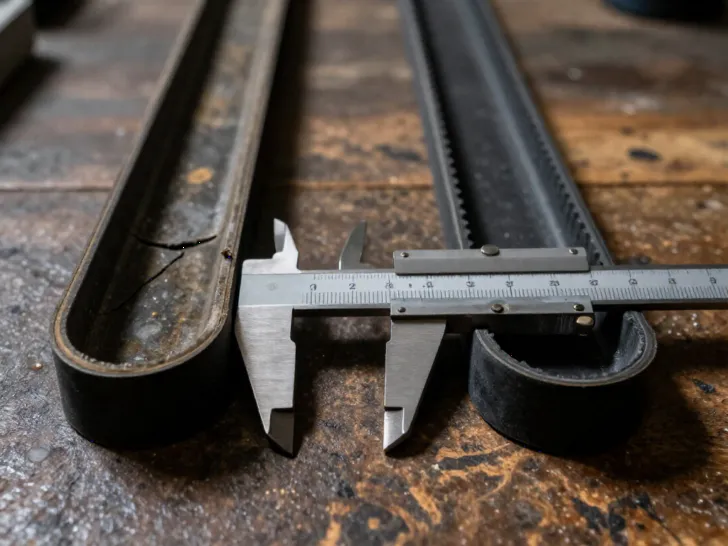
Make it a habit to inspect the CVT every 5,000 to 8,000 km. Pop off the cover and measure the drive belt width with a caliper—compare it to your manual’s minimum spec. Look for cracks, glazing, or uneven wear. While you’re in there, pull the variator and check the roller weights. Even one with a flat spot causes erratic shifting, so swap the whole set the moment you see wear.
Dust is the silent killer. Built-up belt dust inside the variator and clutch housing acts like sandpaper, so clean it out thoroughly with compressed air or a rag dampened with brake cleaner. The clutch bell often develops a shiny glaze that leads to juddering; scuff it back to a matte surface with fine sandpaper or Scotchbrite, and clean any residue off the clutch shoes. Never spray lubricants near these friction surfaces.
When it’s time to replace parts, a worn belt usually means the rollers and guide pieces have similar mileage. A complete kit (belt, rollers, sliders, guides) costs more upfront but prevents repeat labor and future breakdowns. If only one component has failed prematurely—say, crushed rollers from cheap aftermarket parts—replace just that set, but inspect everything else closely. Reassemble with a torque wrench to the factory spec and you’ve just saved a shop visit—and a tow home.
Conclusion: A Little Care Goes a Long Way
Your CVT works hard every ride, and a little attention goes a long way. Regular belt checks, clean rollers, and fresh gear oil cost far less than a full rebuild. Make it a habit to follow your service schedule and use OEM or trusted parts—this alone can significantly extend your belt’s life. Got a maintenance win or a near-miss story? Share it with the community; we learn best from each other’s experiences.